Are you trying to choose the right part of Durham without turning your commute into the hardest part of your day? If you work in Chapel Hill, RTP, or split time between both, the answer often comes down to neighborhood style, not just a map pin. Durham offers a wide range of living options, from close-in condos and townhomes to classic in-town houses and larger-property suburban neighborhoods, and each one comes with a different mix of access, upkeep, and feel. Let’s dive in.
Durham neighborhood styles at a glance
If you are commuting to Chapel Hill or RTP, Durham can be easier to understand when you group neighborhoods by how they live rather than by ZIP code alone. Durham’s adopted planning framework draws a real distinction between more compact, mixed-use areas and more suburban detached-home areas.
In plain English, that often looks like this: downtown-adjacent condos and townhomes on one end, historic in-town single-family neighborhoods in the middle, and larger-property suburban neighborhoods, on the other. For many buyers, that is a more useful lens than trying to compare every neighborhood.
Downtown-adjacent living in Durham
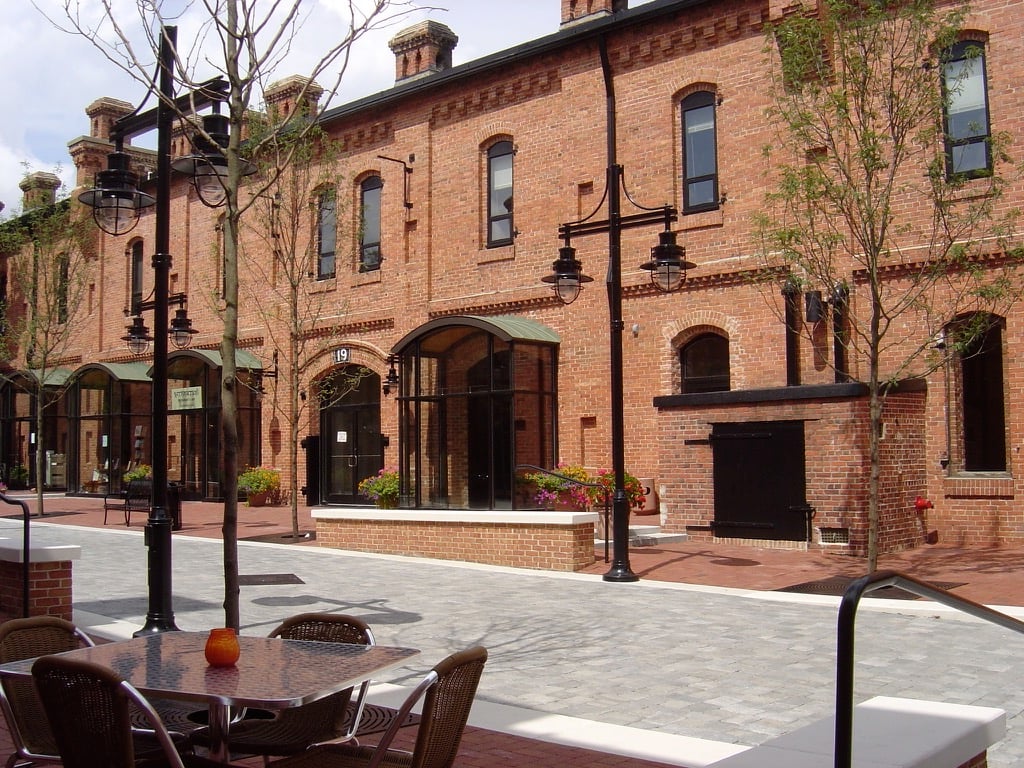
Buyers who want a lower-maintenance lifestyle often start in and around downtown Durham. This part of the city is tied closely to a more urban pattern of living, with condos, lofts, apartments, and townhomes playing a bigger role than detached homes.
The Durham Rail Trail master plan helps show the shape of this close-in lifestyle. It connects Downtown Durham, the Innovation District, Central Park, Trinity Park, Pearl Mill Village, Old North Durham, Duke Park, and the Avondale Drive-Trinity Avenue business district. That gives you a practical way to think about neighborhoods where walkability and smaller-footprint housing are part of the appeal.
Downtown also has a different housing profile from more suburban parts of Durham. City data shows 80.8% renter-occupied housing in Downtown, compared with 28% renter households in Woodcroft. That does not make one area better than another, but it helps explain why downtown tends to feel more condo- and apartment-oriented.
Who downtown-adjacent homes fit best
This location often works well if you want to be close to activity, prefer less yard work, or like the idea of a lock-and-leave setup. It can also be a strong fit if your daily routine values proximity to central Durham more than extra square footage or a large homesite.
For some buyers, the tradeoff is easy. You give up yard space and often a bit of privacy between homes, but you gain a more compact lifestyle and easier access to the urban core.
Historic district rules to know
If you are considering a home in a local historic district, it is important to understand the rules before you buy. Durham has eight designated local historic districts, and the city requires a certificate of appropriateness for exterior changes in those districts.
That matters most if you are drawn to older homes or buildings and already thinking about future updates. Renovation potential can still be there, but you will want to understand the process up front.
Historic in-town neighborhoods
If you want a detached home without moving too far from central Durham, Durham’s classic in-town neighborhoods deserve a close look. Trinity Park, Morehead Hill, Watts-Hillandale, and Old West Durham are often the first places buyers consider when they want older architecture, mature trees, and a more traditional street pattern.
These neighborhoods sit in a useful middle ground. They can offer the character and feel that many buyers want, while still keeping you reasonably connected to downtown and major commuter routes.
What gives these areas their appeal
Morehead Hill is an early-20th-century neighborhood with housing that ranges from larger houses to simpler cottages. Old West Durham also has an established identity shaped in part by its mill-village history.
In Old West Durham, the Neighborhood Protection Overlay is intended to keep new development compatible with the area’s established urban form, modest scale, and historic character. For buyers, that can help explain why these neighborhoods tend to feel distinct and visually consistent over time.
What to expect as a buyer
In-town historic neighborhoods usually appeal to buyers who value charm, traditional homes, and close-in location. They may also appeal to Chapel Hill and RTP commuters who want a detached house but do not want to move to the outer edge of Durham.
The tradeoff is often maintenance, renovation complexity, or a higher cost for centrality and character. If you love the idea of an older home, it is wise to balance aesthetics with the practical side of ownership.
Larger-property neighborhoods in Durham
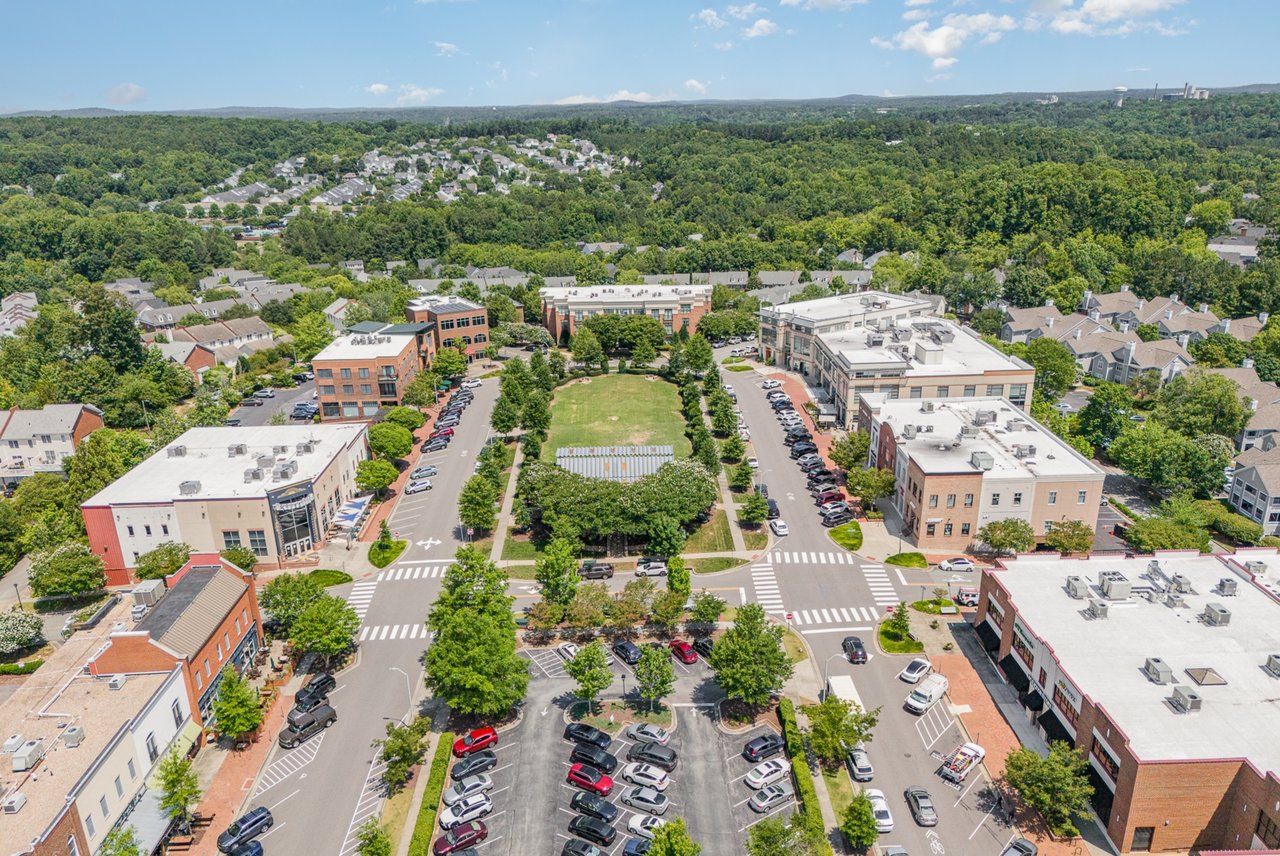
If your top priorities include more yard space, more separation between homes, and a traditional detached-house feel, established suburban neighborhoods may be a better fit. In Durham, Hope Valley and Croasdaile are useful examples of this style.
These neighborhoods align more closely with Durham’s suburban development pattern, where detached houses are the core housing types. For many buyers, this is where the conversation shifts from walkability to space, privacy, and a more classic residential layout.
Why commuters still consider them
For many buyers, especially those moving up or wanting more room, a suburban neighborhood can be the right compromise. You may trade some central walkability for a larger home site and a quieter residential pattern, while still staying connected to Durham’s main road network.
This can be especially appealing if your work is not downtown-specific and you want a detached home without stretching too far outside the county.
South Durham for RTP commuters
If RTP access is high on your list, south Durham often rises quickly to the top. From a road-network standpoint, this part of Durham is especially practical for buyers who drive east or southeast for work.
NCDOT describes NC 147 as a major urban commuter route linking NC 540 to I-85 through downtown Durham and serving Research Triangle Park. NCDOT also says the East End Connector created a stoplight-free drive between I-85 and I-40, and its NC 54 corridor project notes that NC 54 parallels I-40 and provides regional access to major employment centers.
The simple rule of thumb
In plain language, central, south, and east-central Durham often make the most sense for RTP-heavy commuters. That is not a fixed commute-time promise, but it is a practical inference from how Durham’s major corridors connect.
If you want a suburban home style and RTP convenience, south Durham may be one of the most natural places to focus your search. It often gives buyers a good balance between access and everyday livability.
Durham options for Chapel Hill commuters
If your routine centers more on Chapel Hill or UNC Health destinations, the corridor story changes. The most relevant routes are generally US 15-501 and NC 54.
NCDOT’s 15-501 corridor study covers the segment between Ephesus Church Road in Chapel Hill and University Drive in Durham, and NCDOT notes that NC 54 parallels I-40 and serves major employment centers. A practical takeaway is that the farther west and southwest you are in Durham, the more direct Chapel Hill access tends to feel.
Best fit by geography and style
For Chapel Hill commuters, you may find yourself weighing central-west or southwest Durham more heavily, especially if directness matters more than being near downtown. If you still want character and a detached home, some close-in historic neighborhoods may strike a nice balance.
If you prefer more space and a more suburban layout, south or southwest Durham may deserve extra attention. The right answer depends on whether you want your home to lean more urban, more historic, or more suburban.
Walkability, property size, and maintenance
Many buyers start by asking which side of Durham has the better commute. In practice, the better question is often which tradeoff you want to make.
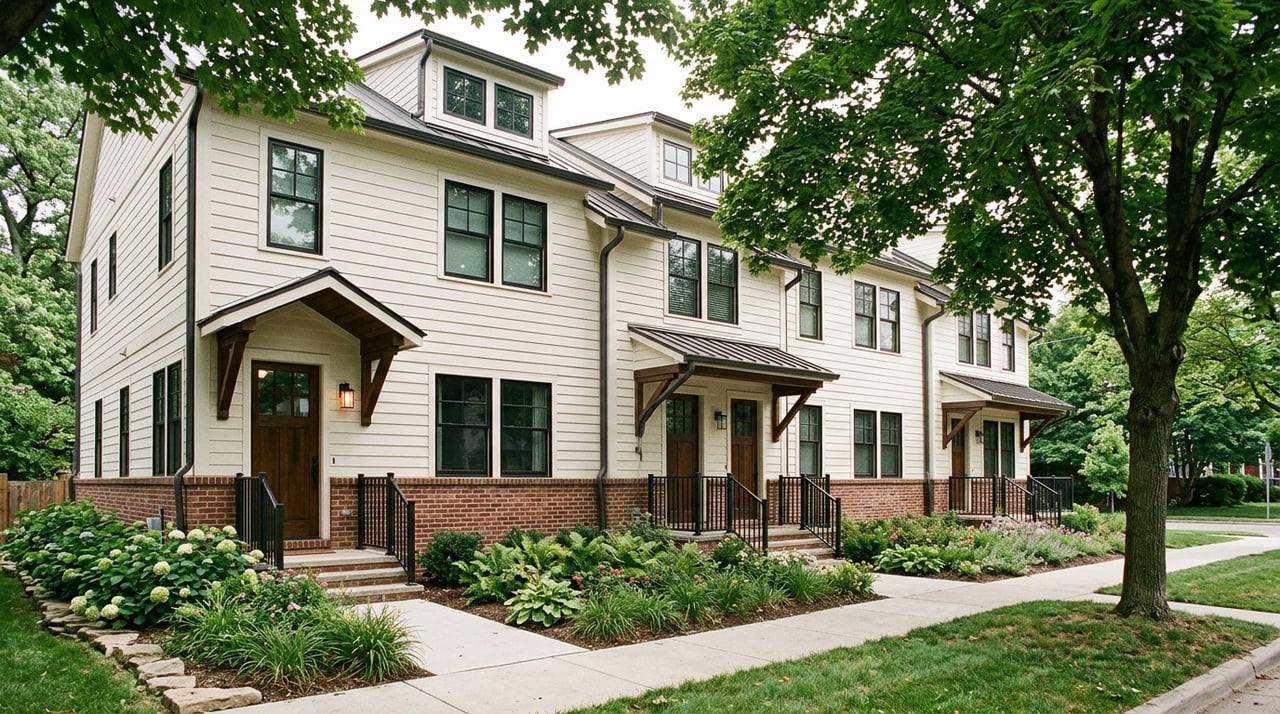
A downtown-adjacent condo or townhome may offer less exterior upkeep and easier access to central Durham, but less yard and a denser setting. A historic in-town house may deliver charm and location, but with more maintenance considerations. A suburban detached home may offer more room and privacy, but often with a less walkable daily pattern.
This is also where ownership style matters. Some buyers prefer the simplicity that can come with attached housing, while others want more control over the property even if that means more work.
What current Durham market numbers show
Durham’s January 2026 market review showed a median sales price of about $375,900, a median sold price per square foot of $218, median days on market of 59, and active inventory of 921. Compared with January 2025, the median price was down 7.9% and active inventory was up 29.2%.
For buyers, that suggests a market that is less frenzied than the peak pandemic years. It also reinforces something important for your search: Durham is not one flat market, and price or pace can vary quite a bit based on neighborhood style, commute convenience, and housing type.
Close-in neighborhoods often carry a premium
Older neighborhood data helps show the value buyers have placed on centrality and character over time. Trinity Park’s median sale price rose from $92,625 in 1998 to $512,500 in 2020, while Downtown rose from $69,375 to $461,750.
How to choose the right Durham neighborhood style
If you are deciding between Durham neighborhoods for a Chapel Hill or RTP commute, start with the lifestyle questions first. That usually makes the home search much clearer.
Ask yourself:
- Do you want a condo, townhome, or detached house?
- How much does yard space matter to you?
- Would you rather be closer to downtown or closer to major commuter corridors?
- Are you comfortable with the upkeep of an older home?
- If you are considering a historic district, are you prepared for exterior review rules?
When you answer those questions honestly, Durham starts to sort itself into a few very understandable lanes. You are not just choosing a neighborhood. You are choosing the version of daily life that fits your work, home style, and priorities best.
If you want help comparing Durham neighborhoods through the lens of commute, architecture, and long-term fit, Erika & Co offers thoughtful, high-touch guidance for buyers across Chapel Hill and nearby Triangle communities.
FAQs
Which part of Durham is most practical for RTP commuters?
- Central, south, and east-central Durham often make the most practical sense for RTP commuters because NC 147, I-885, the East End Connector, and I-40 shape the main access pattern.
Which Durham areas tend to feel more direct for Chapel Hill commuters?
- West and southwest Durham often feel more direct for Chapel Hill commuters because US 15-501 and NC 54 are the key corridor connections.
What housing style is most common near downtown Durham?
- Near downtown Durham, you are more likely to find condos, lofts, apartments, and townhomes, with a more compact and walkable living pattern.
How do Durham historic district rules affect home updates?
- In Durham’s local historic districts, exterior changes require a certificate of appropriateness, so it is smart to review those rules before planning renovations.
Are close-in Durham neighborhoods usually more expensive?
- Long-run neighborhood data suggests that close-in areas such as Trinity Park and Downtown have often commanded higher prices than more suburban neighborhoods, reflecting demand for character and central location.