Trying to choose between Carrboro and Chapel Hill? You are not alone. These two neighboring towns share transit, culture, and a lot of day-to-day overlap, but they can feel very different once you start comparing lifestyle, housing, and your daily routine. If you want a clearer way to decide which place fits you best, this guide will walk you through the tradeoffs that matter most. Let’s dive in.
Carrboro vs. Chapel Hill at a Glance
If you are deciding between Carrboro and Chapel Hill, the simplest starting point is this: Carrboro often feels more compact, local, and arts-driven, while Chapel Hill often feels broader, more university-centered, and more varied in its housing and development patterns. Neither is automatically the better choice.
The right fit depends on how you want your days to feel. Your commute, preferred home style, and whether you want a small-town vibe or a wider range of living options can all shape the answer.
Carrboro’s Feel: Local, Creative, and Close-Knit
Carrboro’s official history and arts programming point to a strong local identity. The town is rooted in its mill-town past and is known for community-scale events, the Carrboro Farmers’ Market, Cat’s Cradle, the ArtsCenter, poetry, and the 2nd Friday Art Walk.
For many buyers, that translates into a place that feels personal and grounded. You may notice a stronger sense of small-scale gathering spaces, independent culture, and a downtown experience built around local routines.
Who Carrboro Often Appeals To
Carrboro may feel like the right fit if you are looking for:
- A compact downtown experience
- A strong arts and music presence
- Easy access to walking and biking in daily life
- Older homes with character and historic influence
- A community feel that leans informal and local
That does not mean every block feels the same. But as a whole, Carrboro tends to present a more intimate and creative identity.
Chapel Hill’s Feel: Broader, Busier, and More Varied
Chapel Hill's downtown is the economic and cultural heart of town and the gateway to UNC. Its planning focuses on creating vibrant, walkable places in growth areas, which gives the town a wider civic and development footprint.
In practical terms, Chapel Hill feels bigger in scope. There is a mix of university energy, planned districts, established neighborhoods, and newer mixed-use areas that create a more layered day-to-day experience.
Who Chapel Hill Often Appeals To
Chapel Hill may feel like the better fit if you are looking for:
- A broader range of neighborhood settings
- More housing variety across home styles
- A stronger university-centered atmosphere
- Planned mixed-use districts and village-style development
- More address options tied to different lifestyles
That variety can be a real advantage if you want flexibility. It can also mean that one part of Chapel Hill feels very different from another.
Public Transit Options
Chapel Hill Transit serves Chapel Hill, Carrboro, and UNC with 21 routes, seven-day service, and fare-free fixed-route service. Downtown Carrboro is served by CW, F, and J routes, while downtown Chapel Hill is reached by most routes.
GoTriangle adds more regional connections. Route 400 links downtown Durham, Duke and VA, downtown Chapel Hill, and UNC. Route 405 connects downtown Durham, Duke and VA, downtown Chapel Hill, downtown Carrboro, and Jones Ferry.
What to Compare for Your Commute
When you tour homes in either town, focus on:
- Distance to your most-used transit stop
- Ease of getting to UNC or downtown Chapel Hill
- Access to Durham-bound regional routes
- Whether you want to walk, bike, drive, or mix all three
- How the route feels from that exact property
For many buyers, the best commuter location is not about choosing Carrboro over Chapel Hill. It is about choosing the right pocket within either one.
Walkability Is Strong, But Different
Both towns value walkability, biking, and transit, but they express it differently.
Carrboro leans especially hard into bike and pedestrian life. It is a Silver-level Bicycle Friendly Community, maintains a self-guided historic downtown walking tour, and has used car-free programming on Weaver Street. Its downtown planning also focuses on streetscapes, public spaces, redevelopment, and infill.
Chapel Hill is also investing in mobility and connectivity. The town’s plan is designed to make biking, walking, and transit safe and convenient everyday choices. Areas like Blue Hill are being shaped into more pleasant walking environments with mixed uses, bike paths, sidewalks, and upper-story residences and offices.
How the Walking Experience Differs
In simple terms:
- Carrboro often offers a more consistently compact, bike-friendly, downtown-oriented feel.
- Chapel Hill offers strong walkable pockets, but the experience can vary more by subarea.
If stepping out for coffee, errands, music, or the market is central to how you want to live, Carrboro may feel more intuitive. If you want multiple types of walkable environments and are open to comparing districts, Chapel Hill may offer more range.
Housing Stock: Character vs. Variety
Housing style is often where buyers start to feel a clear preference.
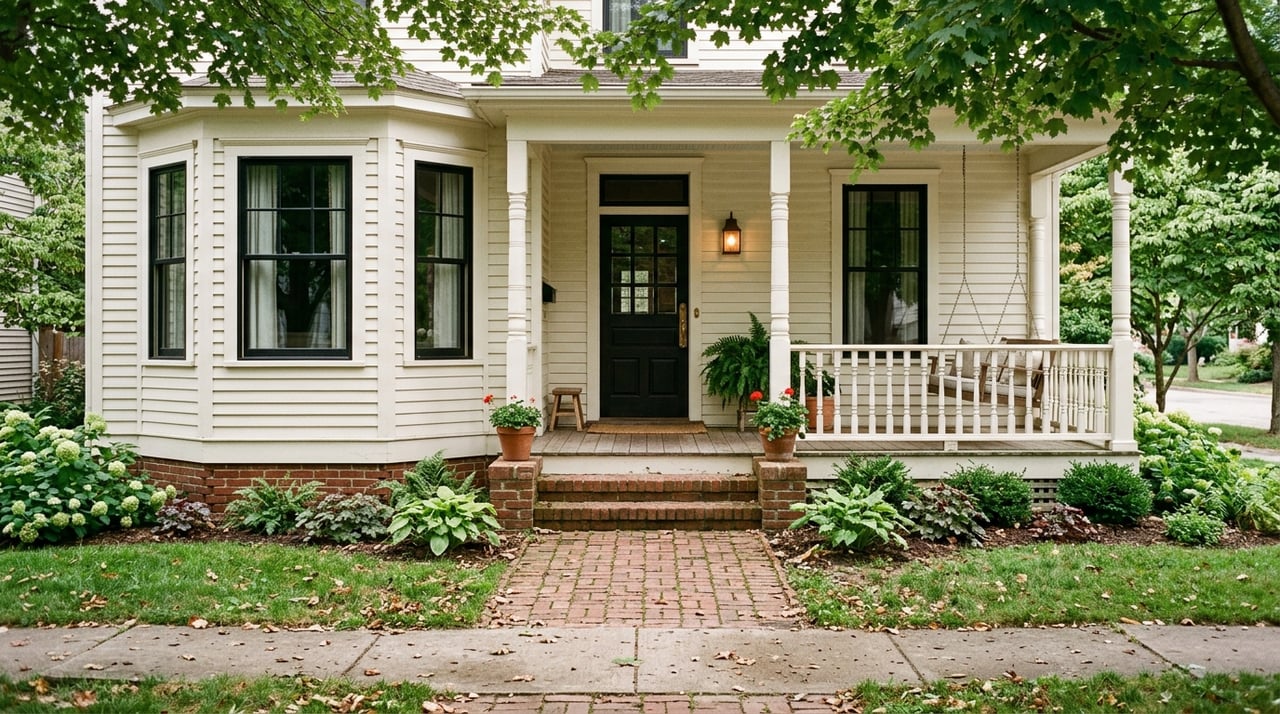
Carrboro’s architectural standards are designed to preserve its historic mill-era character. The town highlights porches, clapboard or shingle siding, detached rear garages, and traditional forms such as mill houses, bungalows, I-houses, and four-square homes.
That usually points to smaller-scale, older, character-rich housing stock. If you are drawn to architectural personality and a sense of local history, Carrboro may speak to you quickly.
Chapel Hill offers a broader formal mix. In addition to local historic districts and neighborhood conservation districts, the town’s Housing Choices ordinance allows accessory apartments, cottages, duplexes, triplexes, and fourplexes in many areas, though many conservation districts still limit those forms. Chapel Hill also includes mixed-use villages and districts such as Southern Village, Meadowmont, and Blue Hill, where you may find townhomes, condos, mixed-use living, and more contemporary infill.
Which Housing Mix Fits Your Goals?
Carrboro may fit you better if you want:
- Historic influence and classic details
- Smaller-scale homes with personality
- A housing stock that feels tied to town history
Chapel Hill may fit you better if you want:
- More home-type variety
- A wider mix of older and newer options
- Townhomes, condos, mixed-use living, or contemporary infill
- More flexibility across neighborhood formats
This is especially important if your must-have list includes a specific housing type. Chapel Hill may simply give you more formats to compare.
Price Expectations: Compare the Property, Not the Assumption
Many buyers ask which town is more affordable. The most accurate answer is that neither town is a clear low-cost option, and broad averages can point in different directions.
As of April 30, 2026, Zillow reported typical home values of $431,560 in Carrboro and $634,403 in Chapel Hill. Redfin’s April 2026 median sale prices showed $606,687 in Carrboro and $574,703 in Chapel Hill, with average days on market at 40 in Carrboro and 27 in Chapel Hill.
Those numbers do not produce a simple winner. They reflect different data methods and housing mixes, which is why townwide price assumptions can be misleading.
A Smarter Way to Compare Cost
Instead of asking which town is cheaper, ask:
- What home type am I comparing?
- What part of town is this property in?
- How updated is the home?
- What is my tradeoff between size, style, and location?
- How competitive is this specific segment right now?
That approach usually leads to better decisions than relying on a single headline number.
Questions to Ask Yourself Before You Decide
If you are still torn, narrow the choice by focusing on your daily priorities.
Choose Carrboro if you keep coming back to:
- A more artsy, local identity
- A compact downtown rhythm
- Walking and biking as part of everyday life
- Historic character and older homes
- A small-town feel with strong cultural personality
Choose Chapel Hill if you keep coming back to:
- More neighborhood and housing variety
- University-centered energy
- Planned villages or mixed-use districts
- More options across price points and home formats
- A broader civic and commercial footprint
For some buyers, the answer becomes obvious after one or two neighborhood tours. For others, the better move is to compare a few address-specific options in both towns and see which lifestyle feels easier to picture.
Why a Local, Address-Specific Search Matters
Carrboro and Chapel Hill are close enough that broad impressions only get you so far. The real difference often comes down to the block, the route, the housing type, and how you want your week to flow.
That is where local guidance can make the search more efficient. When you compare homes through the lens of commute, walkability, housing style, and long-term fit, you can make a more confident choice and avoid chasing the wrong assumptions.
If you are weighing Carrboro against Chapel Hill, a thoughtful side-by-side search can help you see the difference clearly. To talk through your goals and compare the right neighborhoods and home types, reach out to Erika & Co.
FAQs
Is Carrboro or Chapel Hill better for commuting in Orange County?
- It depends more on the property address than the town line, since both towns are served by Chapel Hill Transit and regional GoTriangle routes.
Is Carrboro or Chapel Hill more walkable for daily errands?
- Carrboro often feels more consistently compact and bike-friendly, while Chapel Hill has strong walkable pockets that vary more by area.
Does Carrboro or Chapel Hill have more housing variety?
- Chapel Hill generally offers more housing variety, including historic areas, conservation districts, mixed-use villages, and more housing types allowed in many areas.
Is Carrboro or Chapel Hill more affordable for homebuyers?
- Neither is clearly the budget option, and townwide statistics vary by source, so it is smarter to compare the exact property, location, and home type.
Does Carrboro or Chapel Hill have a more arts-focused feel?
- Carrboro is more strongly associated with an artsy and local feel, with town identity tied to live music, the farmers’ market, art walks, and community-scale events.