Looking for a place that feels creative, connected, and easy to enjoy day to day? Carrboro stands out as an exceptional option. From local music and markets to bike routes and a compact downtown, this small Orange County town offers a distinctly local rhythm. If you are wondering what it is really like to live in Carrboro, here is what to know.
Why Carrboro Feels So Distinct
Carrboro is small in size but full of character. The town has an estimated 20,962 residents and covers just 6.48 square miles, which helps explain why it feels close-knit and easy to navigate. With a 2020 population density of 3,288.8 people per square mile, Carrboro reads more like a compact town center than a spread-out suburb.
That physical layout shapes daily life in a real way. You are more likely to find a mix of homes, apartments, shops, music venues, and gathering places close together. That creates a more connected, village-style feel than typical in a small North Carolina town.
Downtown Carrboro Lifestyle
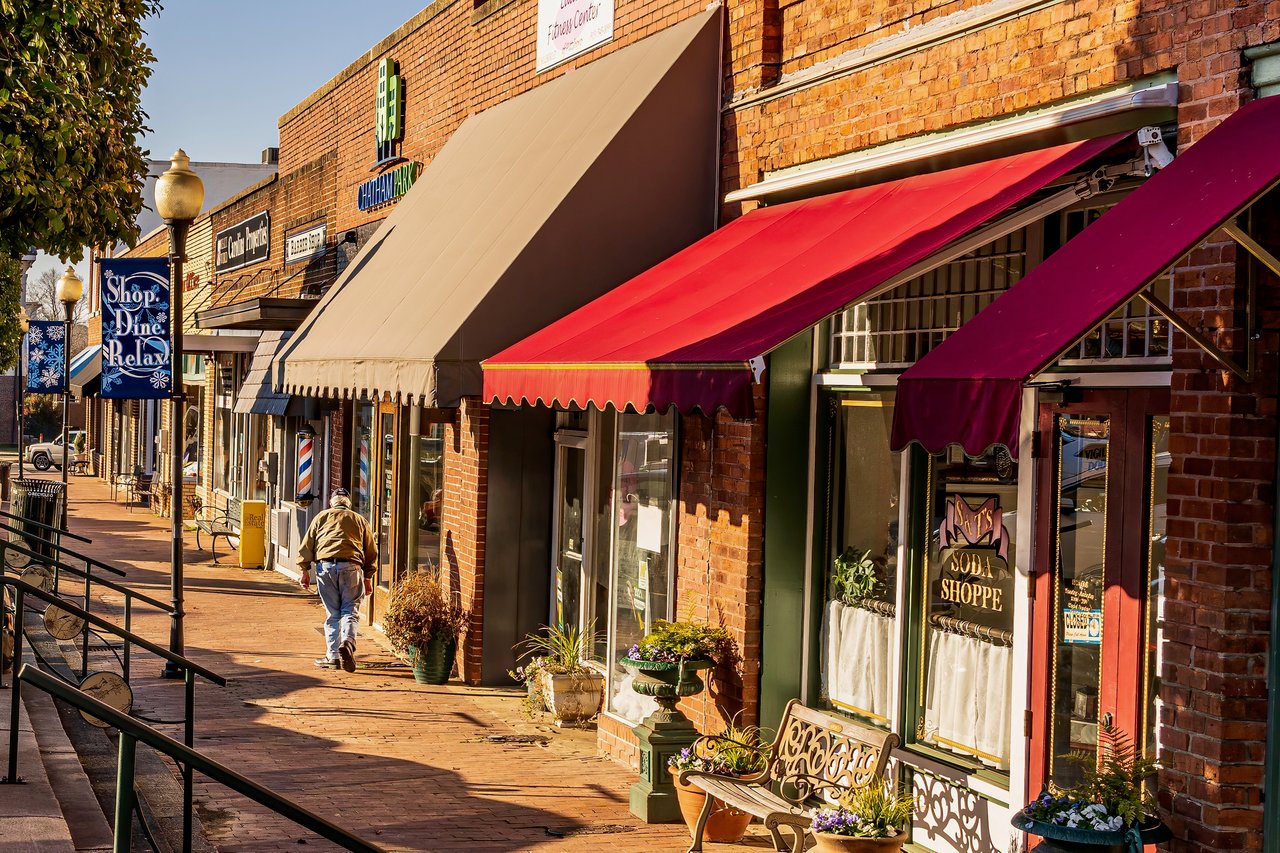
Downtown Carrboro is one of the biggest reasons people are drawn here. The area is known for arts programming, independent businesses, and a pedestrian-friendly layout that supports casual, everyday outings. Instead of feeling like a place you only visit on special occasions, downtown is part of residents' regular routine.
Carr Mill Mall adds to that local identity. The former cotton mill, originally built in 1898, now houses shops, businesses, and restaurants, blending historic character with present-day activity. It is one of those places that helps Carrboro feel rooted rather than manufactured.
Weaver Street Market is another well-known gathering spot in town. Weaver hosts craft fairs and concerts and is a popular gathering spot. In Carrboro, everyday errands and community life often overlap.
Arts and Music Matter Here
If you value creativity, Carrboro makes that easy to see. The town's 2nd Friday Art Walk runs monthly from 6:00 to 9:00 p.m., and The ArtsCenter is focused on inspiring artistic creativity. Those are not small side notes. They are part of the town's identity.
Live music is also central to the local experience. Cat's Cradle has been a major music venue in the Triangle for more than 40 years. For residents, that means access to a long-established cultural scene in a very compact area.
Farmers Market and Local Food
Carrboro's local focus shows up clearly in its farmers market culture. The Carrboro Farmers' Market takes place at the Town Commons on West Main Street, with Saturday markets year-round and Wednesday markets in season. All goods sold are produced within 50 miles, and it is run by the farmers and artisans.
That setup gives the market a very specific feel. It is not just a place to shop. It is also a reflection of Carrboro's commitment to local producers, small-scale business, and recurring community connection.
If that sounds appealing, it is worth noting one practical detail. Parking can be challenging downtown and people are encouraged to walk, bike, or take the bus. That is a small but helpful example of how Carrboro works best when you embrace its more car-light lifestyle.
Walkability and Bike Culture
Carrboro stands out for mobility in a way many small towns do not. The town is a Silver-level Bicycle Friendly Community, first awarded in 2010 and renewed in 2024. That recognition lines up with the local infrastructure and planning focus around biking and walking.
Bike resources include local and regional maps covering Carrboro, Chapel Hill, and Orange County. NC Bike Route 2 and the Mountains-to-Sea Trail also run through the center of town. If you like the idea of being able to ride for transportation, recreation, or both, Carrboro offers more support than many nearby communities.
Walking is also part of the town's planning culture. The town highlights Safe Routes to School and lists projects such as the Bolin Creek Greenway, S. Greensboro Sidewalk, Jones Ferry Road Separated Bike Lane, and Morgan Creek Greenway. Those details matter because they show a long-term investment in how people move around, not just a few isolated amenities.
What Car-Light Really Means
Carrboro is best understood as car-light, not car-free. Downtown public parking is free with a two-hour limit, and the town encourages people to park once and use Chapel Hill Transit’s fee-free J and CW routes to move around downtown. That setup supports short trips and flexible access, especially near the center of town.
At the same time, parking remains part of daily planning. Some downtown lots are designed for short stays rather than long-term use, and busy destinations can feel tighter during peak times. If you move to Carrboro, you may still own a car, but you may use it differently than you would in a more auto-oriented area.
Housing Options in Carrboro
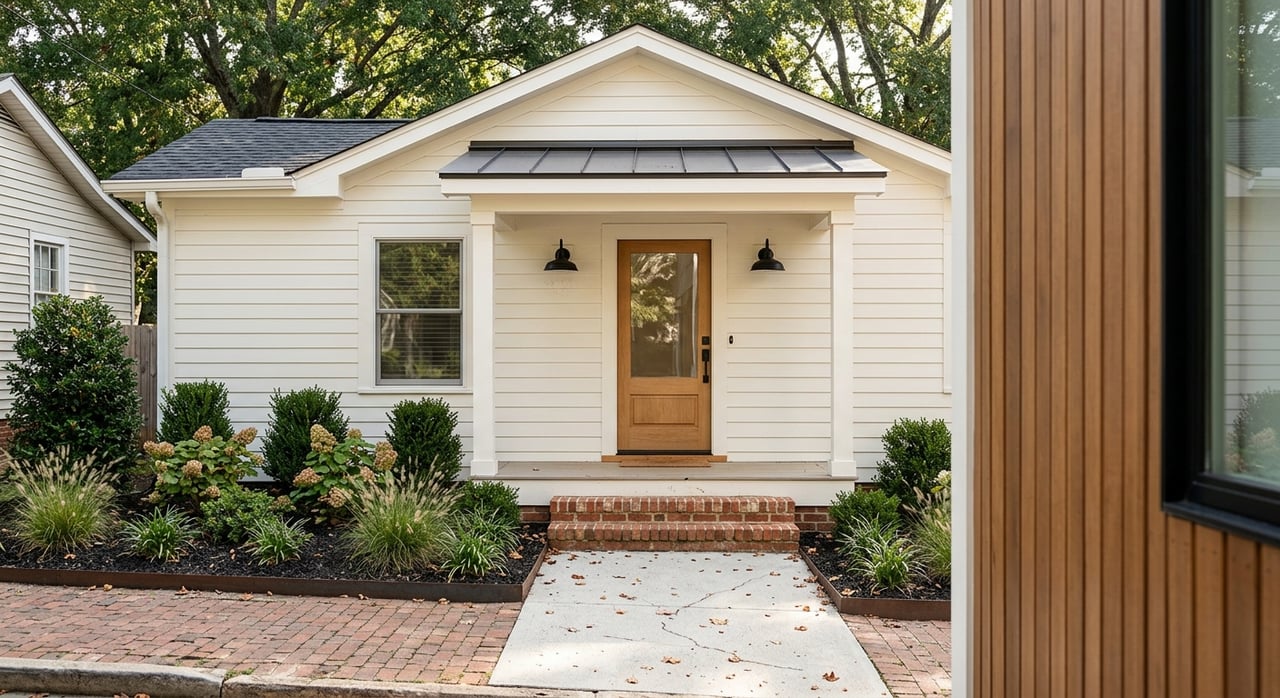
Carrboro's housing is more varied than many buyers expect. The mix includes detached homes, attached homes, duplexes, small multifamily buildings, and larger apartment communities. Based on the town's 2018 ACS-based housing table, 58% of homes were detached single-family, while the rest included a meaningful share of attached and multifamily options.
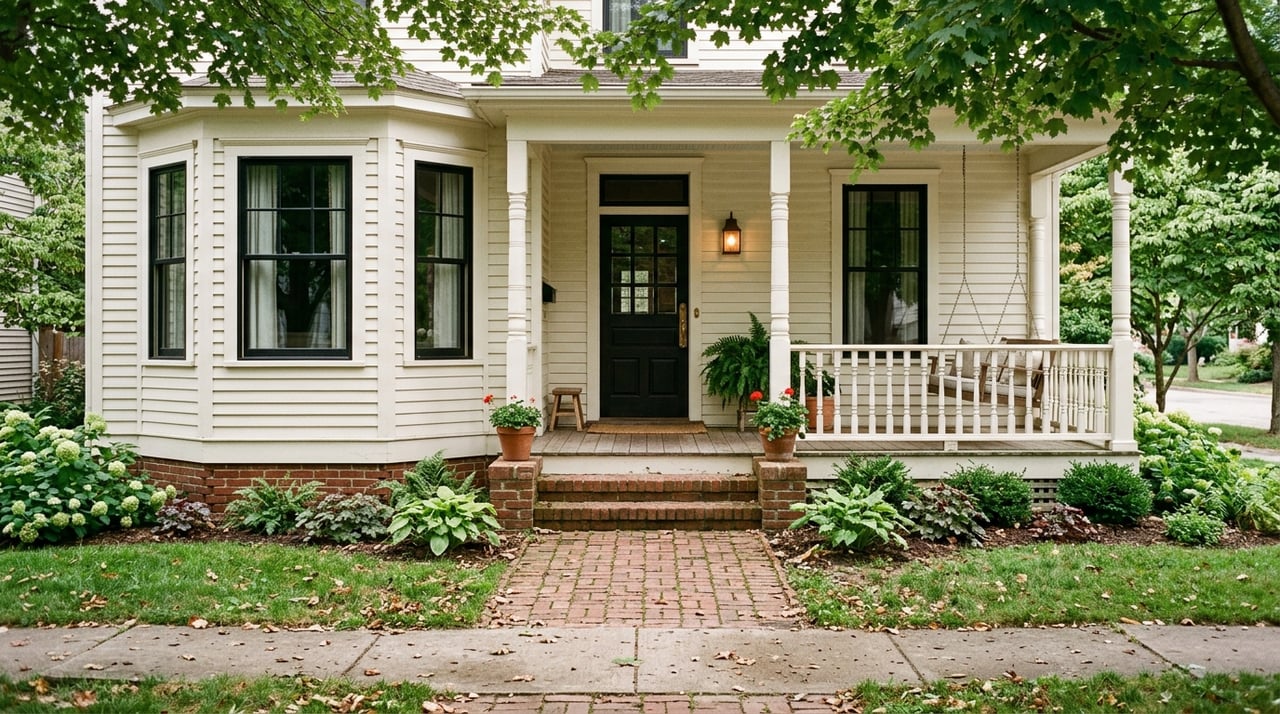
That mix gives buyers several entry points depending on lifestyle and budget. You may find older detached homes with character, townhomes with a lower-maintenance setup, or condos and apartments closer to transit corridors and downtown activity. Multifamily housing is concentrated near downtown and along major corridors such as NC 54, Old Fayetteville Road, and Jones Ferry Road.
Older Homes and Infill Development
Carrboro’s housing story includes both history and change. The town began as a mill town, and the original residential district includes homes from the 1920s and 1930s, along with even older properties like the Strayhorn Houses dating to 1879 and 1915. For buyers, that can mean more architectural variety and more homes with an established sense of place.
Newer housing is more likely to appear as infill redevelopment or in northern growth areas. The Downtown Area Plan, adopted in November 2025, guides redevelopment and infill opportunities, while the comprehensive plan notes that more recent development has been happening in the north. In practical terms, you may see a broader mix of old and new here than in communities built out all at once.
Cost and Affordability Context
Carrboro's appeal comes with real cost considerations. Census QuickFacts show a median owner-occupied housing value of $539,400, a median gross rent of $1,470, and median owner costs of $2,796 for homes with a mortgage. Those numbers help frame the market for both buyers and renters.
The owner-occupied housing rate is 43.5%, which points to a meaningful renter presence and a market that is not purely owner-dominated. For some buyers, that may support the kind of mixed, active environment they want. For others, it is simply an important piece of context when comparing Carrboro with nearby towns.
Affordability is also an active local issue. Carrboro has stated a policy goal that at least 15% of homes in new residential developments of five or more homes be affordable. That does not remove pricing pressure, but it does show that housing access is part of the town's public conversation.
Who Carrboro May Fit Best
Carrboro tends to fit buyers who want a local, walkable, and creative environment more than a conventional suburban layout. If you love the idea of stepping out for coffee, biking into town, visiting a farmers market, or catching live music without a major production, Carrboro may feel like a natural match. Its size and layout support that kind of everyday convenience.
It can also be a strong fit if you are open to a range of housing types. Some buyers are happiest in older homes with character. Others prefer compact lots, townhomes, or multifamily living near downtown and transit corridors. Carrboro often works best when you value place and access as much as square footage.
What to Weigh Before You Move
Carrboro’s strengths are real, but fit matters. If you want a larger lot, easier parking everywhere, or a more spread-out suburban pattern, the town may feel tighter and more active than you prefer. Its charm is tied to its compact form, and that comes with tradeoffs.
On the other hand, if you are looking for an independent, community-oriented place with strong arts culture and better-than-average bike and pedestrian access, Carrboro offers something hard to replicate. It feels distinctly local, and that is a big part of the draw.
If you are exploring Carrboro or comparing it with Chapel Hill and nearby communities, Erika & Co can help you weigh neighborhood fit, housing options, and the details that matter most to your move.
FAQs
What is daily life like in Carrboro, NC?
- Carrboro offers a compact, local lifestyle shaped by downtown shops, live music, arts programming, the farmers market, and a pedestrian-friendly town center.
Is Carrboro, NC walkable?
- Carrboro is relatively walkable for a small town, especially near downtown, and the town also supports biking and transit for getting around.
Is Carrboro good for biking?
- Yes. Carrboro is a Silver-level Bicycle Friendly Community, and local resources include bikeways maps, greenway projects, and connections such as the Libba Cotten Memorial Bike Path.
What kinds of homes are in Carrboro?
- Carrboro has a mix of detached homes, attached homes, duplexes, small multifamily buildings, and larger apartment communities, with more multifamily housing near downtown and major corridors.
Is Carrboro more urban or suburban?
- Carrboro generally feels more like a compact town center than a typical suburb because of its density, mixed housing, and concentrated downtown activity.
Is Carrboro expensive?
- Carrboro has relatively high housing costs, with a median owner-occupied home value of $539,400, median gross rent of $1,470, and median owner costs of $2,796 for homes with a mortgage.