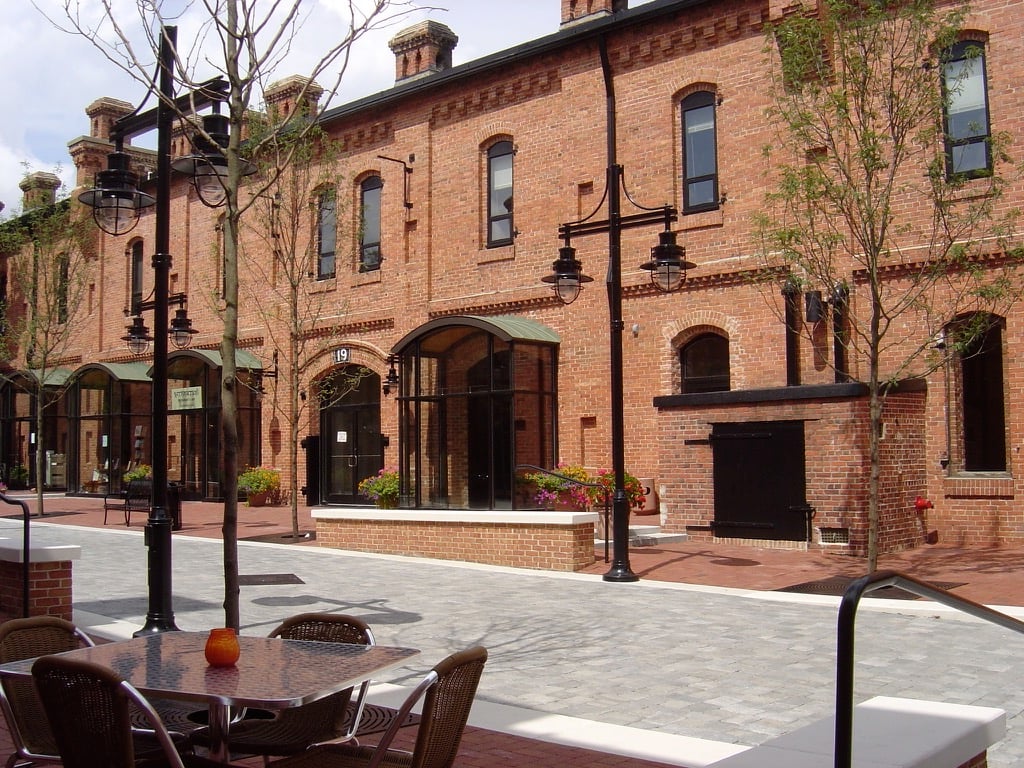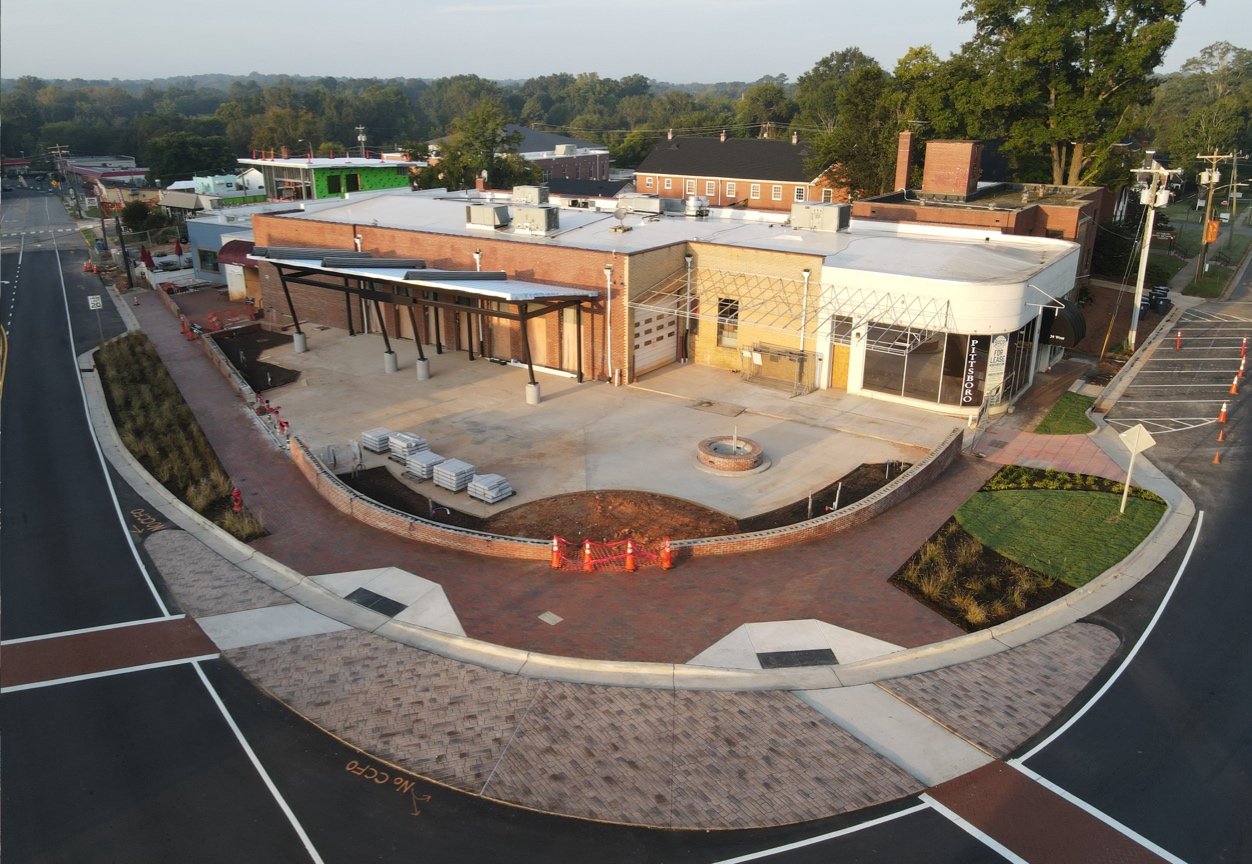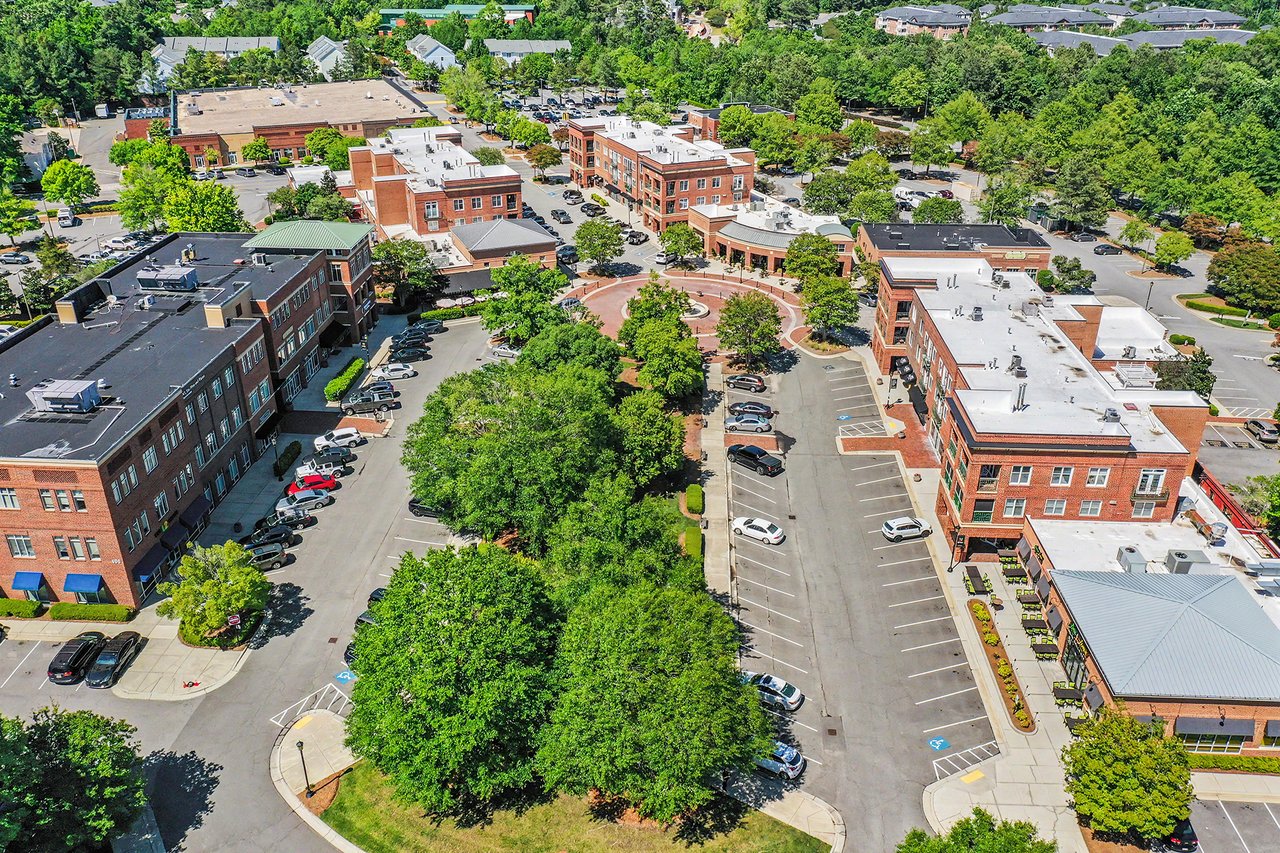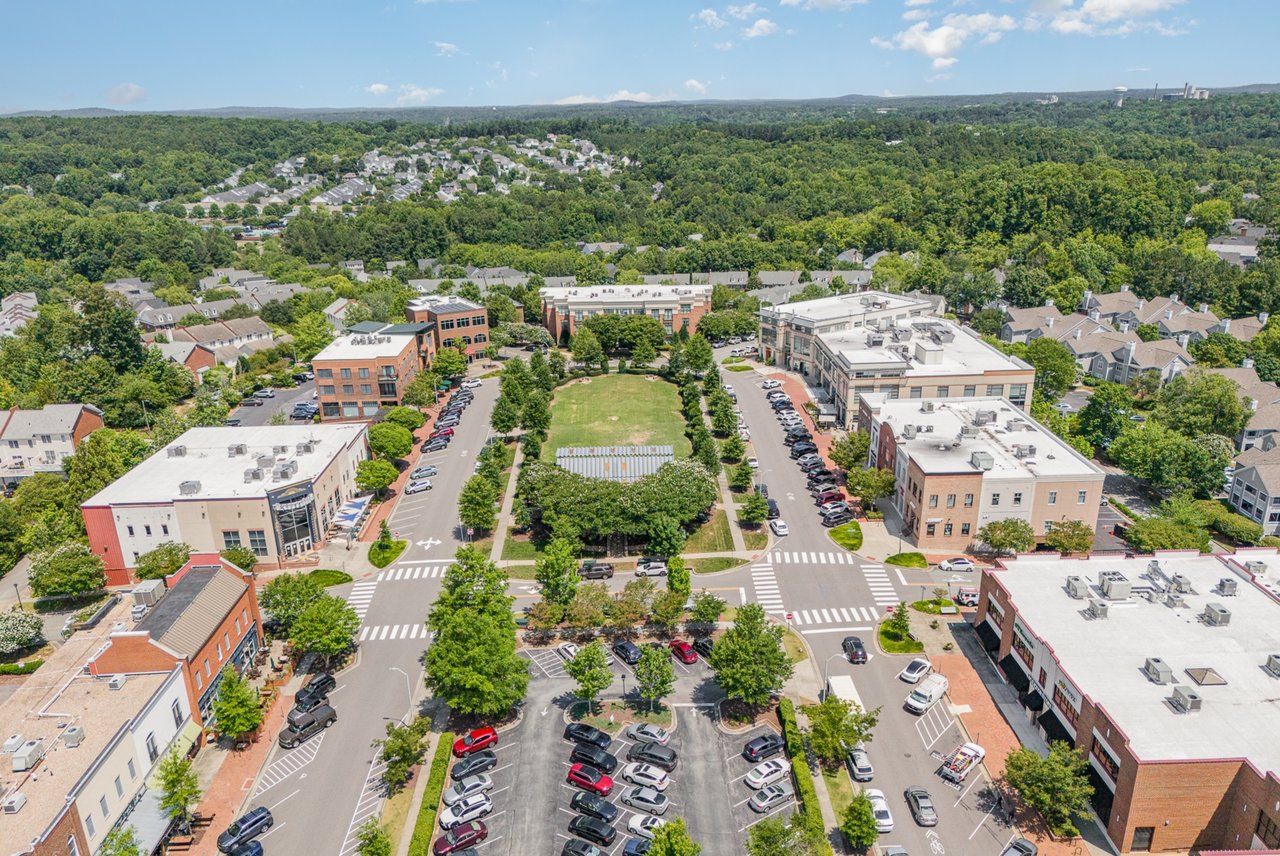
"Very picky about the design of the village center." That's how Rosemary Waldorf, Chapel Hill's mayor from 1995 to 2006, remembers the developer of Southern Village, D.R. Bryan, back when she worked as his project manager. Weaver Street Market, the Carrboro food co-op that became Southern Village's second location, is the anchor of the whole village center.
That layered village-center design is part of why tomorrow doesn't feel like an ending even though it is one. Sundays at Sundown, the free concert series that has filled the Village Green every Sunday evening since May 3, wraps its 2026 run tomorrow, Sunday, September 20, with The Nomads Band taking the stage at 7 p.m. No cover, bring a chair, tip the musicians if you can. After tomorrow, the Green goes quiet until Fall Fest on October 10. The Green is only one part of what Southern Village offers during those three weeks.
Twenty-One Sundays, Then a Pause
The concert series that started May 3 will have run twenty-one straight Sunday nights by the time tomorrow's show wraps, each one free, each one drawing residents with picnic blankets and folding chairs to the same patch of grass in front of the shops on Market Street. Tomorrow's finale closes out a run that, by design, only ever covered the warm months. It was never meant to carry Southern Village's social calendar year-round, and that's the part easy to miss if you only track the Green.
The Green isn't the only thing Southern Village built to hold a crowd. Back on Labor Day weekend, Town Hall Grill hosted the neighborhood's Labor Day Kickoff Party right there on the Green, a watch party built around local autism awareness that had nothing to do with the summer concert series and didn't need it. A restaurant, not a festival calendar, put that one together. That's the pattern worth noticing: Southern Village's events don't all come from the same source, which is exactly why losing one doesn't leave a hole.
A Village Built With No Single Point of Failure
Waldorf's description of the master plan sounds almost architectural when she talks about it now: a stone church on one side, two- and three-story buildings wrapped around a central lot, the Green tucked in the middle, houses spreading out from there. But the more telling detail isn't the layout. It's that Weaver Street became the grocery anchor in the village center.
That grocery anchor helps explain a lot about why Market Street doesn't go dark between seasons. Weaver Street's food bar keeps drawing people in for breakfast, lunch, and dinner on a schedule that has nothing to do with concert dates. The Lumina Theater keeps its own calendar of film screenings. Al's Burger Shack and Town Hall Grill keep their patios full on any given weeknight, concert or no concert. Southern Village wasn't built around one attraction with everything else as filler. It was built with several anchors that don't depend on each other, and that's the difference between a neighborhood with a dead season and one that just changes what's busy.
What's Actually Different Since Spring
Two restaurants on Market Street tell that story from the food side. Rasa Malaysia, at 410 Market Street in the space that used to be Merlion, closed for a stretch this spring and reopened on Friday, May 8. The menu still leans into the Kampung dishes and coconut shrimp regulars remember, and the reopening barely registered as neighborhood news because the restaurant slid back into its old spot in the rotation without much fanfare. That's not nothing. A restaurant that can close, reopen, and get absorbed back into the neighborhood's routine within a season says something about how much slack Southern Village's food scene has.
Xolos Cocina Mexicana, at 300 Market Street, has had the opposite trajectory. It opened as a newer addition and has spent the time since building a genuine following, family-friendly and full-bar, with a catering business that now serves office lunches and private parties around the Triangle. Between a reopened institution and a maturing newcomer, the two restaurants sit half a block apart on the same street and neither one needed the concert series to find its footing.
A short list of what's currently anchoring Market Street on any given week:
- Weaver Street Market, for the daily food bar and grocery run
- Al's Burger Shack and Town Hall Grill, for the patio crowd
- Xolos Cocina Mexicana and Rasa Malaysia, for sit-down dinners
- La Vita Dolce for coffee, gelato, and a quick bite
- Rocks & Acid and Growler Girls for drinks with friends
- The Lumina Theater, for whatever's screening that week
None of that list depends on the Green being active.
The Three Weeks Between Tomorrow and Fall Fest
So what actually fills the gap between tomorrow's last concert and Fall Fest on October 10? Nothing on the Green itself, and that's the point. The three weeks in between are the ones where Weaver Street's patio, the restaurant rotation on Market Street, and the paved trail network running through Southern Community Park and out along the Morgan Creek Greenway do the work that concerts do in summer. That greenway stretch runs roughly 2.4 miles, paved the whole way, connecting the neighborhood's interior streets to a stretch of trail most residents already know from evening walks. It doesn't need a schedule. It's just there.
What Fall Fest and the Craft Show Add Back
Fall Fest returns to the Green on Saturday, October 10, starting at 2 p.m., and it's a different kind of gathering than the Sunday concerts. It's a single afternoon built around the turn of the season rather than a recurring weekly draw. Later in the fall, Southern Village typically brings back its other tradition, the Fall Arts on Market craft show, when local artisans set up along the Green for an afternoon of shopping and browsing. The exact date shifts year to year, sometimes landing in October and other years pushing into the back half of November, so it's worth checking the neighborhood's own events calendar as the date firms up rather than penciling in a specific weekend now.
What both events share with the concert series is that they're occasional by design, not constant. Southern Village doesn't try to keep the Green busy every week of the year. It doesn't need to, because the neighborhood was built with enough separate anchors that no single one carries the whole social calendar. The Green gets its moments. Market Street carries the rest.
The Real Takeaway Before Tomorrow's Show
If you're heading to the Green tomorrow for the last Sundays at Sundown show of the season, the useful thing to know isn't just that it's the finale. It's that the quiet stretch after tomorrow isn't actually quiet. It's just Southern Village running on its other anchors for a few weeks, the way it was built to.
That kind of layered design, where a village green, a grocery co-op, and a rotating cast of independent restaurants all do part of the work, is also what tends to hold up a neighborhood's appeal over time. It's part of why Southern Village keeps showing up on the short list for buyers who want walkability without sacrificing the feel of an established community.
If you're weighing what a neighborhood like this actually means for your own move, whether you're upsizing into it or thinking about what your current home here is worth in today's market, Erika & Co. knows Southern Village at the level of detail that matters. Schedule your complimentary market consultation and let's talk about what's next.