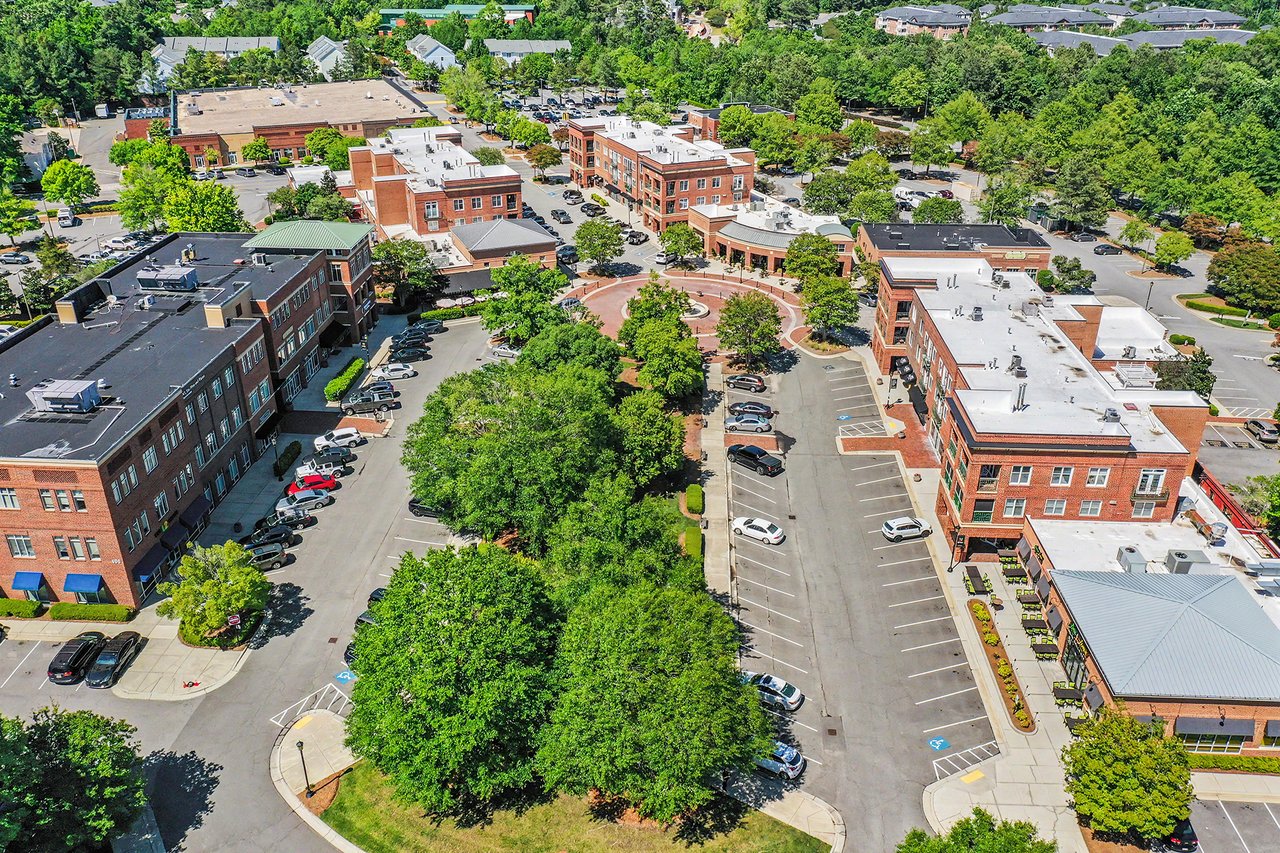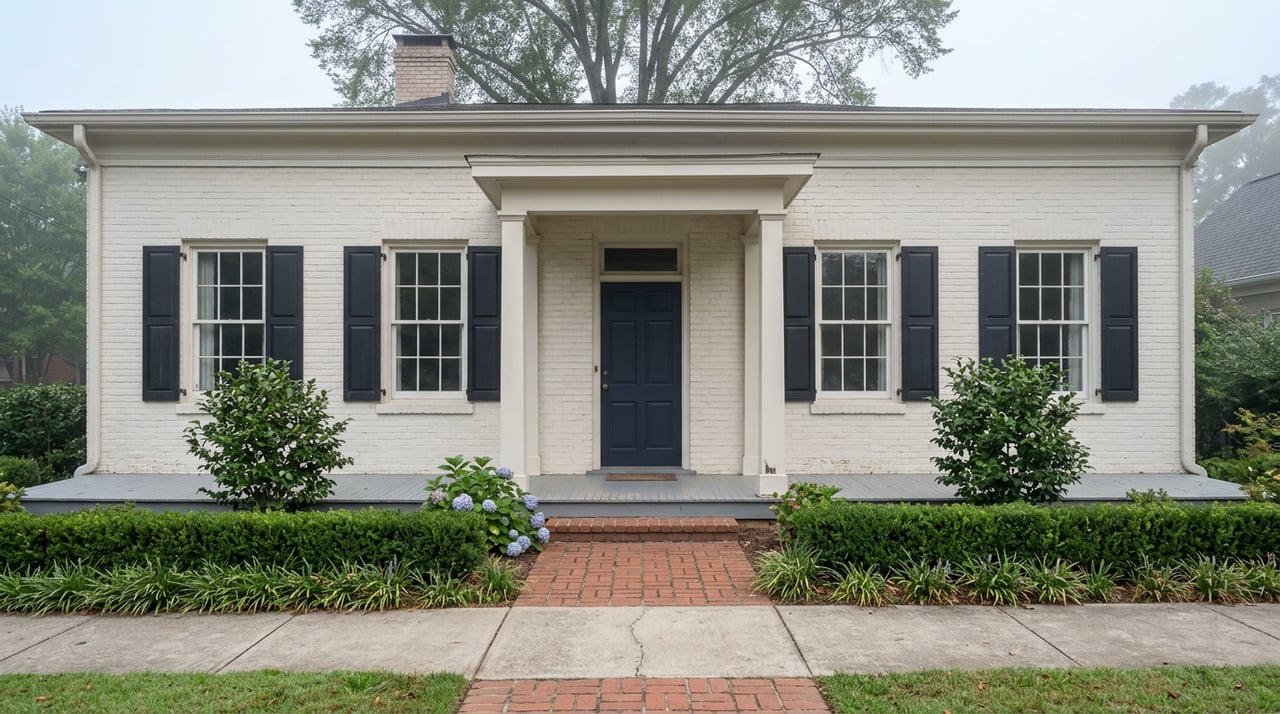
Two houses sit ten minutes apart in Hillsborough. Both are asking similar money. Both need a new roof before they can go on the market. One owner calls a roofer, pulls a standard county permit, and has new shingles within two weeks. The other owner makes that same call and learns the job cannot start until a town commission says yes, a process that can eat two months before a single shingle moves.
The difference isn't the house. It's the boundary line running through town, and what sits on either side of it changes almost everything about how a seller prepares a listing or a buyer plans a renovation.
The Boundary That Decides Your Timeline
Hillsborough's local Historic District was created by a 1973 preservation ordinance and is listed on the National Register of Historic Places. It runs roughly from Thomas Ruffin Street to Nash Street, and from Corbin Street down toward the Eno River near the bridge into downtown, covering the town's commercial core and the residential blocks around it. Inside that line, the Historic District Commission reviews exterior changes to more than 100 houses, churches, and buildings dating from the 18th and 19th centuries.
Step outside that line and the rules change completely. Newer Hillsborough neighborhoods built in recent years sit under standard Orange County building permits with no design commission review at all. A homeowner there can repaint trim, swap a roof, or replace a porch rail on the same schedule as anywhere else in the Triangle.
That split matters more than most sellers expect, because it isn't about how old a house looks. It's about which side of a town-drawn line the parcel happens to fall on.
What a Certificate of Appropriateness Actually Involves
Inside the district, it is unlawful to begin construction, demolition, alteration, or restoration of any structure or site before the town issues a Certificate of Appropriateness, or before staff approves the work as a minor project or as ordinary maintenance and repair. Some ordinary repairs can be cleared administratively. Anything that changes visible material, design, or scale typically goes to the full commission.
The town lays out a specific sequence for that review:
- Homeowners are encouraged to schedule a pre-application conference with planning staff four to six weeks before they intend to submit, to work through what the project will actually require.
- A completed application must be submitted by noon on a Wednesday, three weeks before the commission's monthly meeting.
- Property owners within 100 feet of the proposed change are notified before the commission can grant approval.
- The commission meets at 6:30 p.m. the first Wednesday of each month at the Town Hall Annex on East Corbin Street, and hears a maximum of four major applications per meeting.
- Anything incomplete or submitted after those four slots fill gets pushed to the next meeting with room on the agenda.
Add that up and a straightforward exterior project, one that needs full commission review rather than staff sign-off, can run eight to twelve weeks from first phone call to approved permit, before any contractor shows up. A seller who assumes they can freshen up a roofline or a porch the month before listing photos is often working against a calendar the town controls, not one they can compress by paying more.
The Building Two Doors Down May Not Be Historic at All
Here's where it gets more interesting for anyone comparing two houses on the same block. The town's own description of the district notes that it includes development ranging from Georgian and Federal-style buildings from the late 1700s to contemporary construction. That single sentence tells you something a lot of buyers miss: not every structure inside the boundary is actually old.
There's also a moving target working in the background. Historic preservation planning generally treats a structure as historic once it falls within a period of significance that ends 50 years before the current year, a standard applied to Hillsborough's own design guidelines. Run that math for 2026 and you land on 1976. A house built in the mid-1970s, sitting quietly inside the boundary for decades as a plain, unremarkable structure, is now sliding into territory where preservation planners may start treating it differently than they did a decade ago.
So a house inside the district might be a contributing 1840s structure, a non-contributing 1990s infill, or a 1975 build just now crossing into relevance. All three face the identical Certificate of Appropriateness process for exterior work. Only some of them carry the label that actually matters for the next section.
The Rulebook Applies to Everyone. The Tax Break Doesn't.
North Carolina offers a 15% state tax credit for the rehabilitation of owner-occupied historic residences, administered by the State Historic Preservation Office. The rehabilitation has to exceed $10,000 in qualifying expenses within a 24-month window, and the credit is capped at $150,000 in qualifying expenses per parcel, which works out to a maximum credit of $22,500.
The part that catches people off guard is eligibility. The credit applies to buildings that are individually listed in the National Register of Historic Places, or that count as a contributing building within a National Register historic district. It does not attach automatically to every parcel inside a local historic boundary. A structure that's non-contributing, the contemporary infill sitting on the same block as the Federal-style house next door, does not qualify, even though it faces the same Certificate of Appropriateness review as its older neighbor.
That's the asymmetry worth sitting with. The regulatory cost of the district, the review timeline, the neighbor notifications, the monthly meeting cap, applies to every parcel inside the boundary regardless of age or architectural pedigree. The financial offset that's supposed to make that cost worth bearing applies only to the subset of buildings the state actually classifies as historic resources.
A seller preparing a 1970s ranch inside the boundary for market, and a seller preparing an 1840s cottage two doors down, are both filling out the same application. Only one of them has a realistic shot at getting fifteen cents back on every qualifying dollar they spend.
What This Means If You're Selling or Renovating Here
If you're getting a Hillsborough Historic District home ready to list, don't wait until photography is booked to think about exterior work. Call town planning staff before you touch a roof, a porch, a window, or painted masonry, and ask directly whether your project needs a full Certificate of Appropriateness or qualifies for staff-level approval. If it needs the full process, build eight to twelve weeks into your pre-listing schedule, not two.
If you're weighing whether a rehabilitation project makes financial sense, don't assume the address alone answers the question. Ask staff whether your specific parcel is classified as a contributing resource within the National Register district before you pencil a 15% credit into your renovation budget. The distinction between contributing and non-contributing status isn't cosmetic. It's the line between a rehabilitation that partially pays for itself through the state credit and one that doesn't.
If you're a buyer with renovation plans, this is due diligence work that belongs in your offer timeline, not after closing. A house that looks move-in ready but sits inside the boundary can still require months of commission review before you're allowed to swap a window or repaint trim on the street-facing side. Know that before you write a contract with a tight renovation deadline attached.
A few questions worth asking before you commit
Does every exterior project inside the district need full commission review? No. Ordinary maintenance and repair can often be approved by planning staff without going to the commission, but any change to visible material, design, or scale typically requires the full Certificate of Appropriateness process.
Does being inside Hillsborough's historic boundary automatically make my home eligible for the state's 15% tax credit? No. Eligibility depends on whether your specific building is individually listed in the National Register or classified as a contributing resource within the National Register district, not on the local boundary alone.
How do I find out which category my house falls into? Ask Hillsborough's planning staff directly, before you commit to a renovation budget or a listing timeline built around an assumption that may not hold for your specific parcel.
Hillsborough rewards people who do their homework before they call a contractor or sign a listing agreement, not after. If you're weighing a sale or a renovation inside the historic boundary and want someone who already knows which questions to ask the town before you spend a dollar on exterior work, Erika & Co. would be glad to help you map out the timeline. Schedule your complimentary market consultation and let's talk through what your specific address actually requires.