Wondering whether that charming Hillsborough house comes with timeless appeal, hidden repair costs, or renovation rules you did not expect? If you are drawn to original porches, old-growth trim, and a home with real presence, you are not alone. Buying a character home here can be deeply rewarding, but it also takes a more careful eye than buying a newer property. This guide will help you understand what makes Hillsborough character homes special, what to inspect closely, and how to buy with confidence. Let’s dive in.
Why Hillsborough character homes stand out
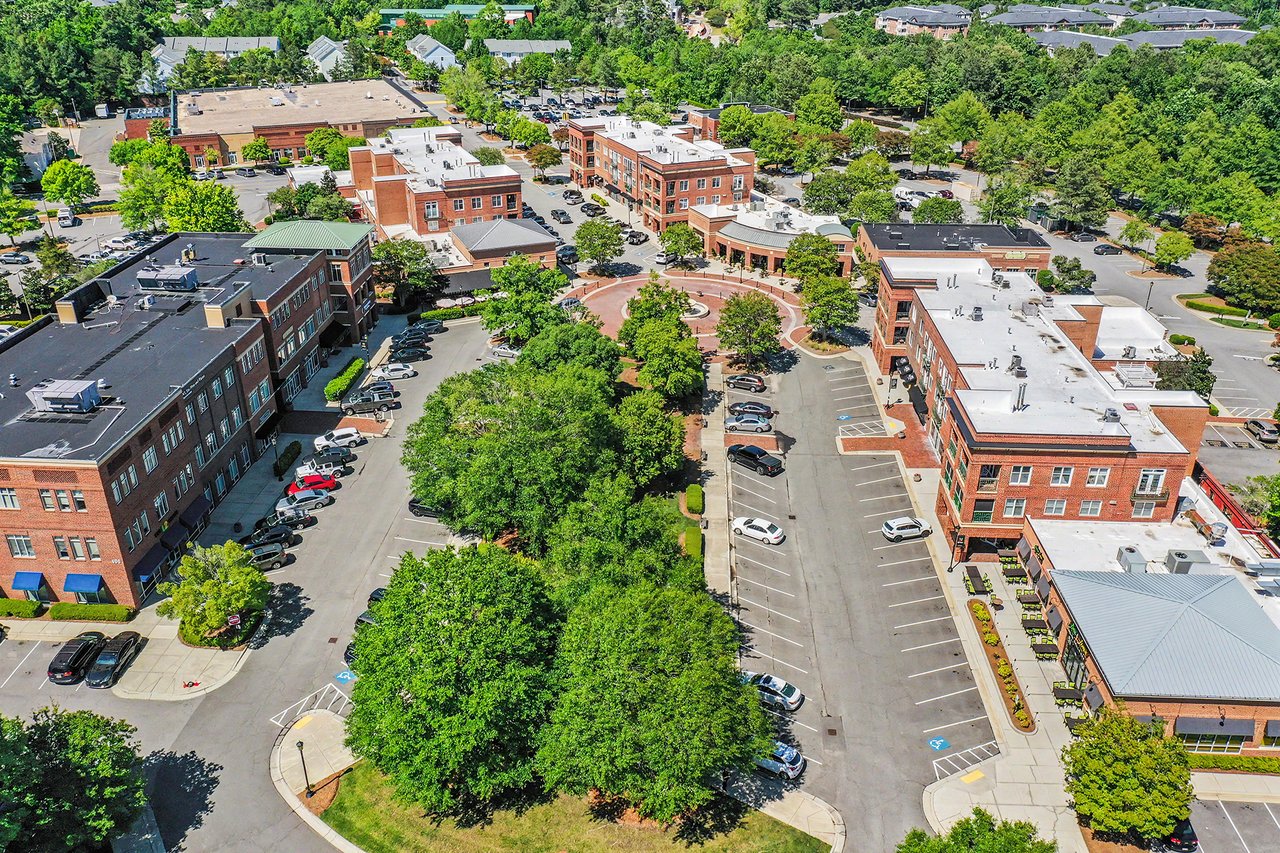
Hillsborough’s historic identity is not just a backdrop. It is built into the streetscape, especially around the downtown historic district, which the town created by preservation ordinance in 1973. According to the town, that local district includes the commercial core and surrounding residential areas, with more than 100 houses, churches, and buildings dating from the 18th and 19th centuries.
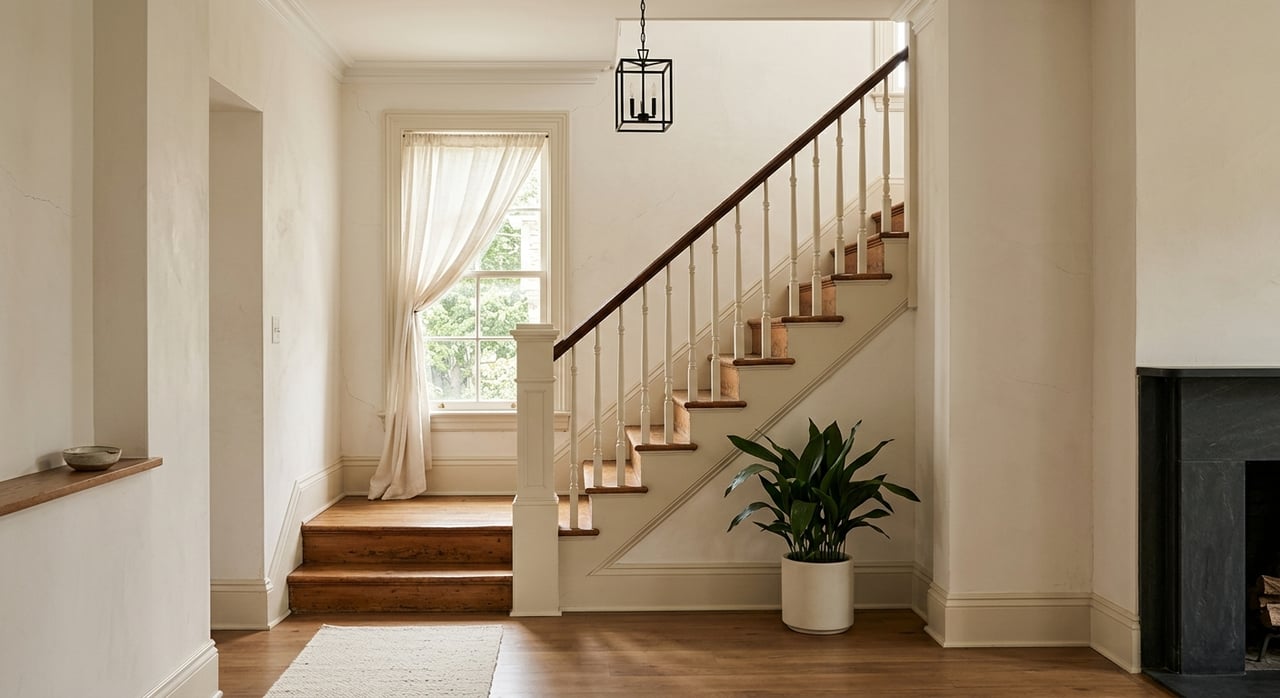
That means a “character home” in Hillsborough can take many forms. You might find a house with late-colonial or Federal-era roots, an early-20th-century mill house, a bungalow, or even a mid-century home with distinct original details. In practical terms, character here is not limited to one style or one era.
Know the local district difference
One of the most important things to verify early is whether a home sits inside Hillsborough’s local historic district. This matters because local historic district rules can affect exterior changes. The town notes that exterior work may require a Certificate of Appropriateness or minor-works approval, and review can apply to items many buyers would not expect, including lighting, signs, and removal of mature trees.
That is different from National Register status on its own. North Carolina’s Historic Preservation Office says National Register listing by itself does not restrict a private owner unless federal benefits or tax credits are involved. So two homes of similar age may look alike on paper, but one may have a very different approval process for updates.
Why this matters before you buy
If you are planning to repaint, replace windows, alter a porch, add onto the home, or make visible exterior changes, you need clarity before closing. A house can still be a great fit, but your timeline, budget, and design choices may need to follow local standards.
Hillsborough’s design standards focus on protecting character-defining exterior features and keeping additions compatible with the original structure. In other words, the goal is usually not to freeze a house in time, but to make sure changes do not overpower what makes it special.
Common home styles in Hillsborough
One reason Hillsborough is so appealing is the range of housing types. The North Carolina Historic Preservation Office survey shows that early-20th-century housing here includes vernacular homes with light Queen Anne influence, followed by strong Craftsman popularity in the 1920s and 1930s, Minimal Traditional homes in the 1940s and 1950s, and Ranch homes becoming common in the 1950s.
For you as a buyer, that variety affects both charm and upkeep. Some homes will have more original trim and porch detailing, while others may offer simpler forms and easier maintenance. Understanding the style can help you better judge what is original, what has been altered, and what updates may make sense.
Features you may see
Here are some common features noted in the Hillsborough architectural survey:
- Early vernacular and mill-era homes often have front-gable or side-gable roofs, wrap-around or shed-roof porches, plain weatherboards, double-hung windows, brick chimneys, and smaller additions made over time.
- Craftsman and bungalow homes often include tapered porch posts on brick piers, dormers, vertical-light upper sashes, and engaged porches.
- Period Cottage and Minimal Traditional homes are often compact one- or one-and-a-half-story houses with grouped windows, small stoops, brick arches, and prominent chimneys.
- Ranch homes are usually lower-pitched and more open in appearance, often with brick veneer, picture windows, and attached carports or garages.
Look beyond square footage
With character homes, size is only part of the story. Original form, window pattern, porch proportions, siding, and masonry details can all influence the home’s appearance, upkeep, and long-term appeal. In Hillsborough especially, those details often carry just as much weight as an extra room or larger footprint.
This is also why rushed exterior changes can hurt a home’s feel and future marketability. When improvements respect the scale and materials of the original house, they tend to feel more natural and more durable over time.
Inspection priorities for older homes
Older homes rarely come down to one dramatic issue. More often, the risk comes from several smaller maintenance items that have built up over time. A thoughtful inspection process can help you separate manageable projects from expensive surprises.
North Carolina State Extension recommends paying close attention to drainage and structural conditions. That includes checking whether gutters and downspouts move water away from the foundation, looking for cracks or crumbling mortar in masonry foundation walls, reviewing beams and joists for decay, and checking foundation walls and piers for termite tubes and damage.
Water and crawlspace concerns
Water management is a major priority in an older home. Standing water in a crawlspace can point to drainage problems that affect wood members and encourage pests. Decayed porch columns and rotted window trim are also important warning signs.
Even a well-maintained home can have termite issues, so it is wise not to make assumptions based on cosmetic condition alone. A house with fresh paint may still need closer review underneath.
Plumbing and later additions
Hillsborough’s housing history also explains why many older homes need staged updates. The local architectural survey notes that by the late 1940s, many mill-house owners were facing the cost of adding bathrooms and modern plumbing, and many small homes were expanded over time.
For you, that means the inspection conversation should include the age and condition of plumbing, site drainage, and the quality of any later additions. A charming exterior does not always tell you how smoothly the house evolved behind the walls.
Lead considerations
If the home was built before 1978, lead-based paint is more likely to be present. The EPA reports that 87 percent of homes built before 1940 contain some lead-based paint. That does not automatically make the home unsuitable, but it does mean you should go in informed.
Hillsborough also notes that lead can enter drinking water through plumbing materials. The town maintains a service-line inventory and says homes and buildings built before 1987 may have lead service lines, although town records and staff experience suggest lead lines have not been common locally. This is another good reason to ask questions early and follow up with the right licensed professionals when needed.
Build the right inspection team
A general home inspection is only the start for many character homes. In North Carolina, pest inspections and structural evaluations cover different things. The state’s wood-destroying insect guidance says pest inspectors are not responsible for evaluating plumbing or roof leaks, and if insects have damaged wood members, a building expert should handle repairs.
A smart approach often includes:
- A general home inspector
- A licensed pest professional
- Licensed contractors for specialized issues outside the inspector’s scope
This team approach gives you a fuller picture of condition, repair priorities, and likely costs before you commit.
Renovation plans need a reality check
It is easy to fall in love with the idea of “updating everything later.” With a character home, that strategy can get expensive fast if you have not first confirmed what is allowed, what is original, and what systems need immediate attention.
If the house is in the local historic district, even simple updates may be more review-sensitive than expected. Hillsborough’s design standards say historic single-pane windows should be retained when possible, and replacement windows should be compatible with the architecture. The standards present contemporary double-pane windows as an option only when other efficiency methods are not feasible.
Start with systems first
For many buyers, the best sequence is simple:
- Verify whether the property is in the local historic district.
- Prioritize drainage, foundation, wood condition, and plumbing.
- Review any past additions or alterations carefully.
- Budget for preservation-minded exterior work if needed.
- Tackle cosmetic projects after essential systems are stable.
That approach can protect both your budget and the home’s long-term character.
Resale value in a balanced market
Current market data suggests Hillsborough is not behaving like an ultra-speculative market. Realtor.com described the market as balanced in March 2026, and Zillow reported an average home value of $472,962 with homes going pending in about 32 days as of March 31, 2026.
In a balanced market, condition and presentation matter. Buyers have more room to compare homes, which means deferred maintenance and casual alterations can be harder to overcome. On the other hand, authentic details, thoughtful upkeep, and well-documented improvements can help a property stand out.
What tends to support long-term value
In Hillsborough, homes often perform best when three things line up:
- Character that still feels authentic to the home
- Maintenance that addresses systems and exterior care
- Documentation showing improvements were handled thoughtfully
That is especially relevant in a town where the historic district and traditional streetscape are part of local identity. If you are buying with resale in mind, preserving what makes the house distinctive is often the smarter long-term move.
Historic tax credits are not one-size-fits-all
Some buyers assume any older home will qualify for major tax incentives. That is not always the case. North Carolina’s State Historic Preservation Office says owner-occupied residential properties may qualify for a 15 percent state tax credit on qualified rehabilitation expenses over $10,000, capped at $22,500, if the work meets the required standards and is reviewed by the SHPO.
That is different from the federal 20 percent historic tax credit, which applies to income-producing historic buildings, not owner-occupied homes. If a tax credit is part of your decision-making, verify eligibility before you count on it.
A smart way to buy a Hillsborough character home
The best character-home purchases usually balance emotion with due diligence. You want the charm, but you also want a clear understanding of rules, systems, and the real cost of stewardship. In Hillsborough, that means verifying district status, inspecting carefully, and respecting the details that give the home its identity.
When you buy with that mindset, you are more likely to end up with a home that feels special now and stays marketable later. If you are considering a character home in Hillsborough and want experienced guidance on evaluating condition, context, and long-term fit, Erika & Co would be glad to help.
FAQs
What makes a home a character home in Hillsborough?
- In Hillsborough, a character home can include anything from 18th- and 19th-century houses to early-20th-century mill homes, bungalows, Minimal Traditional homes, and Ranch homes with original architectural details.
How do I know if a Hillsborough home is in the local historic district?
- You should confirm this with the town early in your buying process because homes in the local historic district may need approval for certain exterior changes, even for projects that seem minor.
What should I inspect first in an older Hillsborough home?
- Focus on drainage, foundation condition, masonry, crawlspace moisture, wood decay, termite evidence, plumbing age, and the quality of any additions or past renovations.
Are old windows always supposed to be replaced in historic Hillsborough homes?
- Not necessarily. Hillsborough’s design standards say historic single-pane windows should be retained when possible, and replacement should be compatible with the home’s architecture.
Do Hillsborough character homes qualify for historic tax credits?
- Some may qualify for North Carolina’s owner-occupied historic rehabilitation tax credit if the project meets program requirements, but not every home or renovation will qualify, so it is important to verify details in advance.
Is buying a character home in Hillsborough a good resale move?
- It can be, especially when the home’s original features are preserved, maintenance is up to date, and improvements are well documented, which can matter even more in a balanced market.